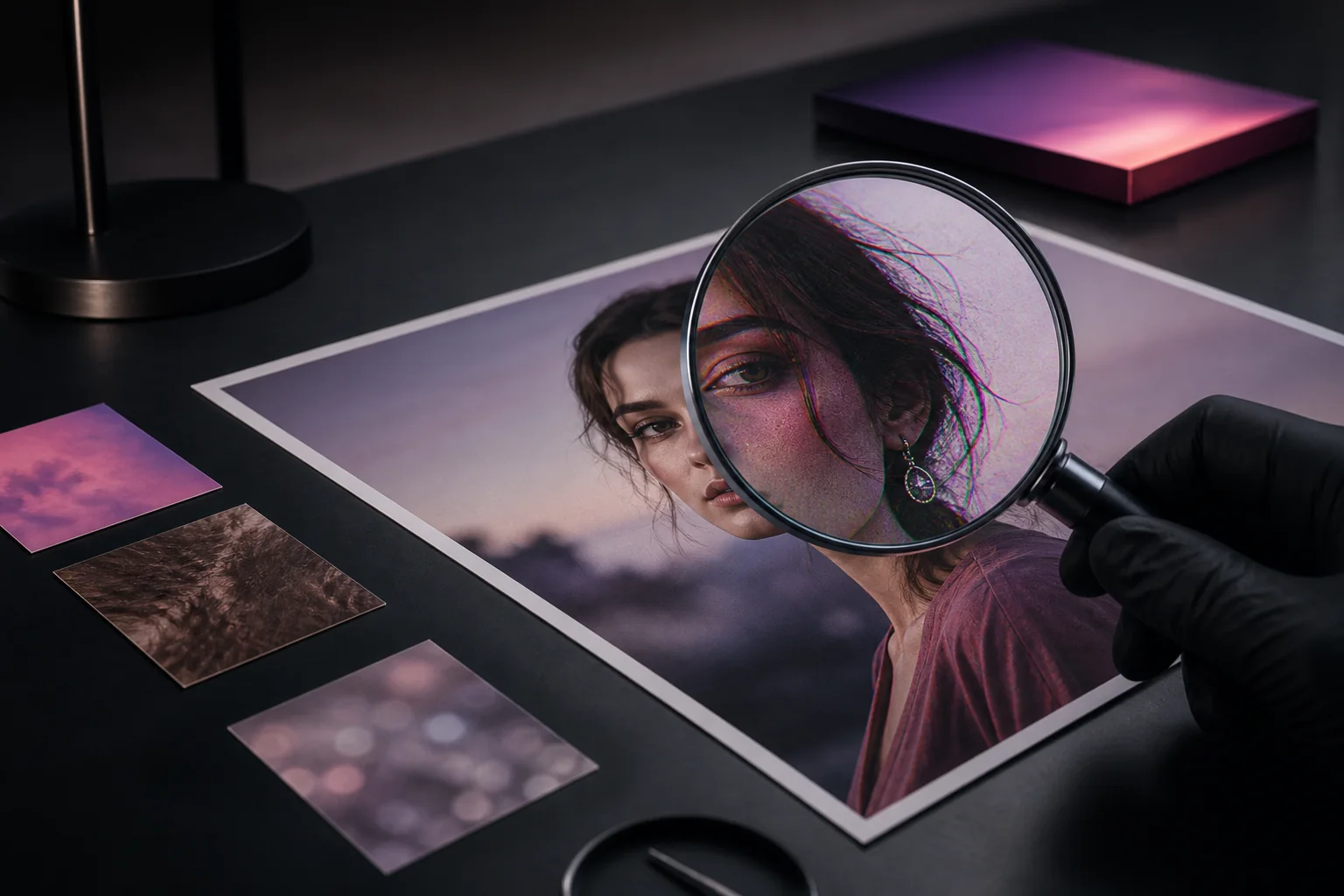
How to Tell if an Image Is AI-Generated: 7 Checks That Still Help
Inspect hands and text, verify lighting, check Content Credentials, run a reverse image search, and use a detector as a second opinion.
Updated October 6, 2026
Practical, no-hype guides on verifying image authenticity, written by the team behind AI Detector for iPhone and Android.
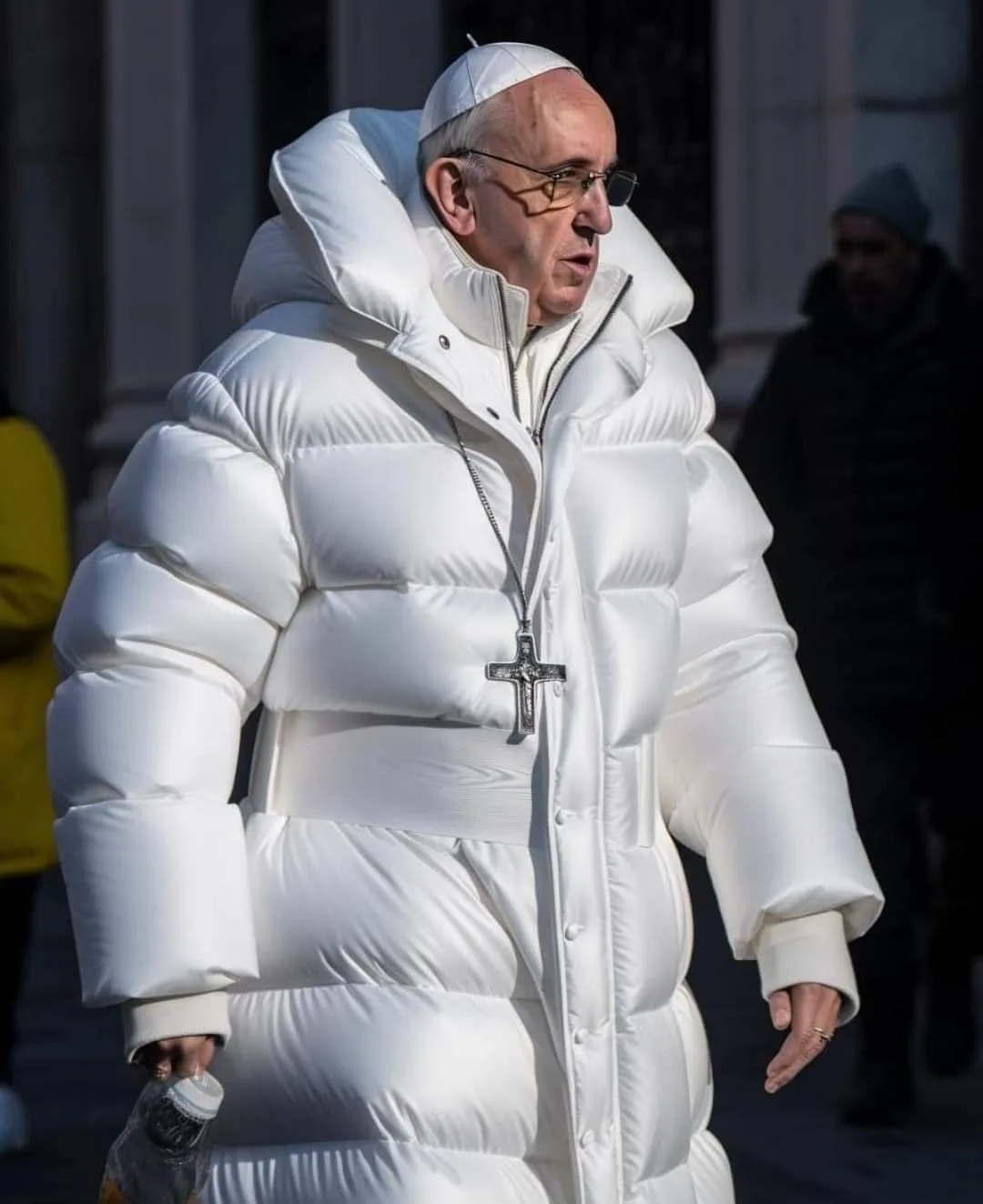
Five viral images a day. Spot the AI fakes that fooled the internet and learn the story behind each one.
Inspect hands and text, verify lighting, check Content Credentials, run a reverse image search, and use a detector as a second opinion.
Watch for objects that change between frames, floaty physics, and mismatched audio, check for watermarks, trace the first upload, then run a free detector.
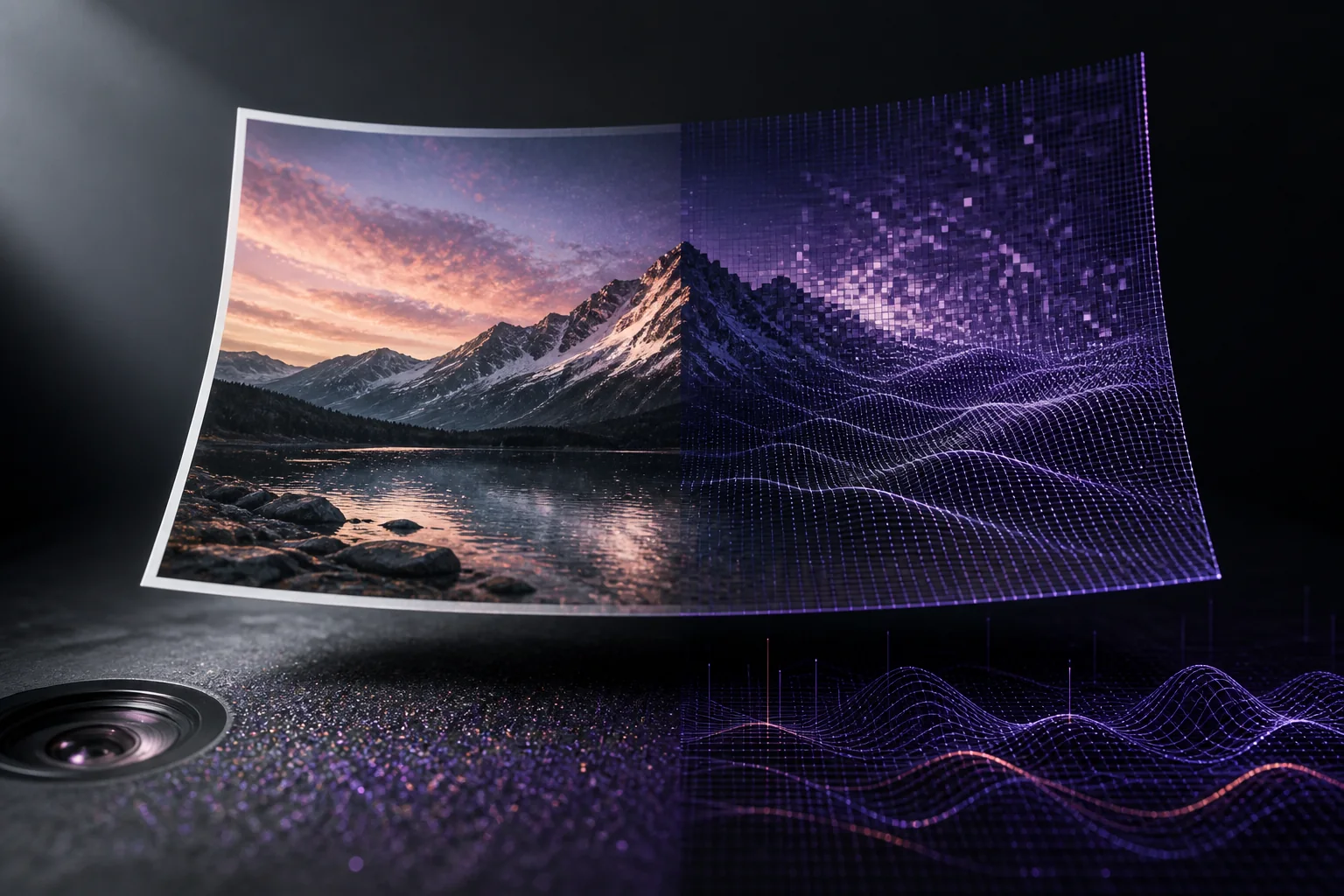
Learn how AI image detectors analyze photos, what confidence scores mean, and how to check an image on your phone or in your browser.
Check a photo on iPhone with visual inspection, a free browser tool, or the AI Detector app, with steps for each method.

Run a fast visual check, look for Content Credentials, and use a free AI image checker to decide whether a photo is real or AI-generated.

Check a photo for AI on Android with a visual inspection, Google Lens, a free browser checker, or the AI Detector app.

Compare AI image detectors like Hive, Illuminarty, and ZeroGPT using transparency, provenance, and a fair test you can run yourself.

A classroom-safe workflow for checking images, avoiding false accusations, and teaching students media literacy.

A newsroom workflow for verifying images: source tracing, Content Credentials, reverse search, and AI image detection.

Spot AI-generated dating profile photos with visual checks, a reverse image search, provenance, and an AI image detector.

Tell AI-generated listing photos from real ones and from disclosed virtual staging, using visual checks and a detector.

A safe workflow for recruiters: check portfolios and profile photos for AI without turning a detector into a gatekeeper.

Spot AI-generated images in your feed with quick visual checks, provenance marks, and a free detector before you share.

Midjourney images carry no C2PA or watermark, so you check the pixels. See the visual tells, how a detector helps, and what to ask for.

OpenAI adds Content Credentials and SynthID to its images. Check provenance first, and know what a screenshot strips.

Google marks Gemini and Nano Banana images with SynthID on every output and Content Credentials on newer models. Here is how to check.

FLUX ships as hosted APIs and open weights, and that decides whether any provenance exists. Check the file first, then the pixels.

Ideogram is built for text, so clean long text inside an image is its signature. Check the file for provenance, then the text and the details.

Stable Diffusion runs offline, so provenance is optional and often absent. Check the metadata that survives, then the pixels, then a detector.

Use image checks to flag a claim for review, never to deny one. Check metadata, provenance, and visual consistency, then let an adjuster decide.

Verify AI images in local news and reader submissions: trace the source, run a reverse search, check provenance, and check the image with an AI detector.